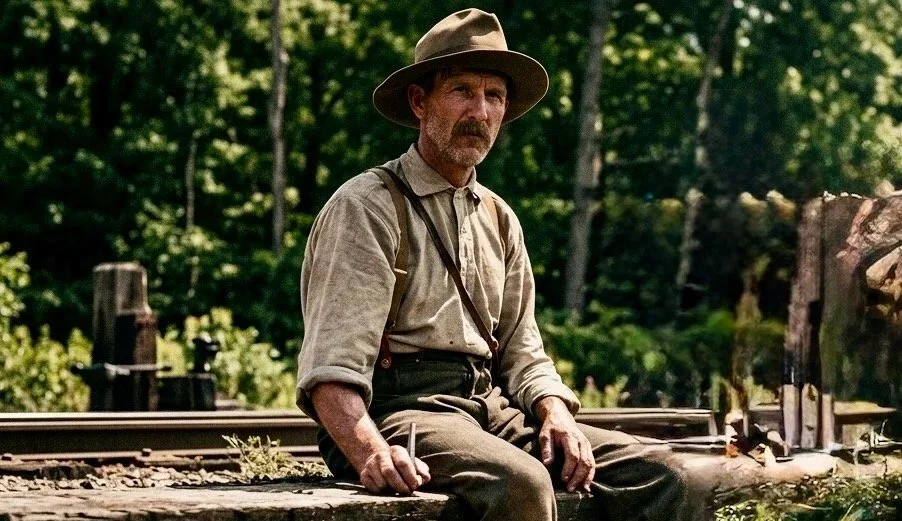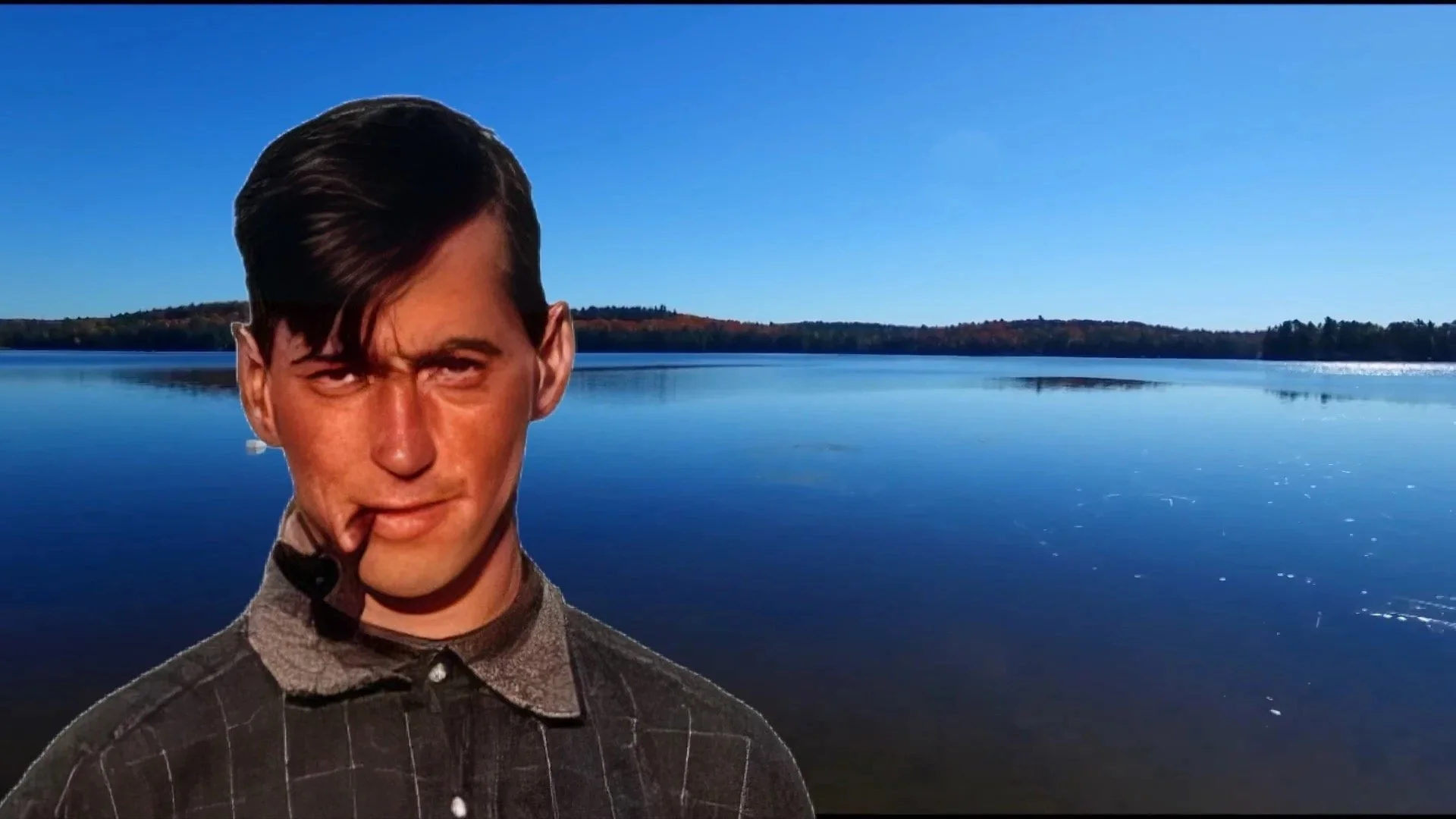
Mark Robinson and the Death of Tom Thomson: The Ranger Who Refused the Verdict.
MARCH 12, 2026
One of the most important facts in the Tom Thomson case is also one of the easiest to forget: there was no police investigation. No detectives arrived at Canoe Lake to secure evidence, interview witnesses in any systematic way, or preserve the scene.
In 1917 Algonquin Park was remote, the First World War was consuming the country’s attention, and Thomson - then still largely unknown outside a narrow Toronto art circle - did not warrant the kind of official scrutiny that would be routine today.
So when Thomson vanished, the task of responding fell to whoever was already there, already responsible, and already accountable to the government. That person was Mark Robinson.
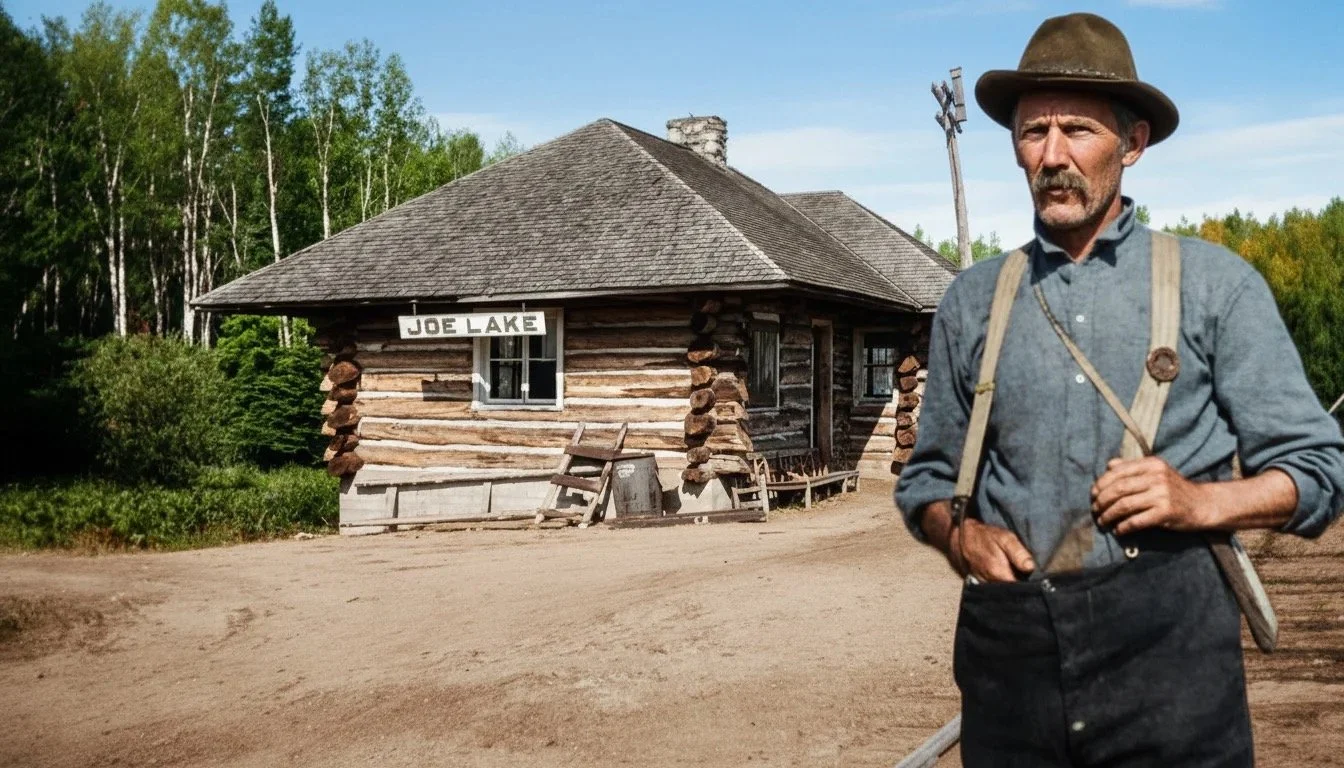
Mark Robinson Algonquin Park Ranger (1917)
Robinson served Algonquin Park for decades as a Ranger, Acting Superintendent, and Chief Ranger, and was also a military officer. He knew the lake country intimately, knew the people at Canoe Lake, and knew Tom Thomson personally.
When the canoe was found, when the search began, and when the body surfaced, Robinson became, in practice, the government’s point man on what passed for an investigation. And Robinson never accepted that Thomson’s death was an accident.
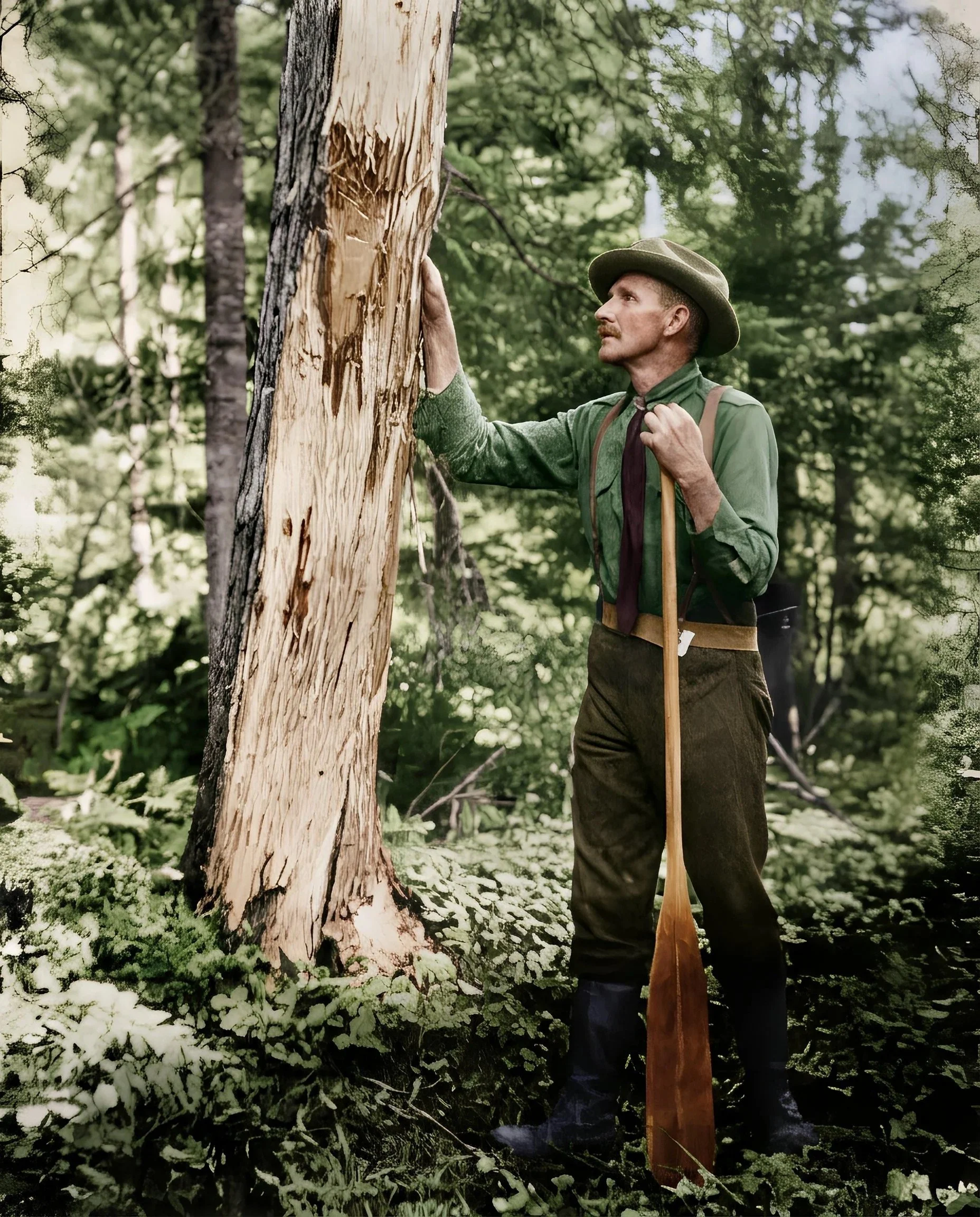
What makes Robinson’s testimony so central is not just what he believed, but what he saw, what he handled, what he recorded, and what he remembered consistently over time.
The Disappearance and the Canoe
Robinson’s recollections place Thomson’s last movements within a narrow frame of time and distance. On the day Thomson disappeared, Robinson observed him earlier near the Algonquin Hotel, which was situated directly across the Joe Lake narrows from the ranger’s cabin. He later saw Thomson and Shannon Fraser together near the dam. Robinson even watched Thomson cast for a trout the two men had been chasing.
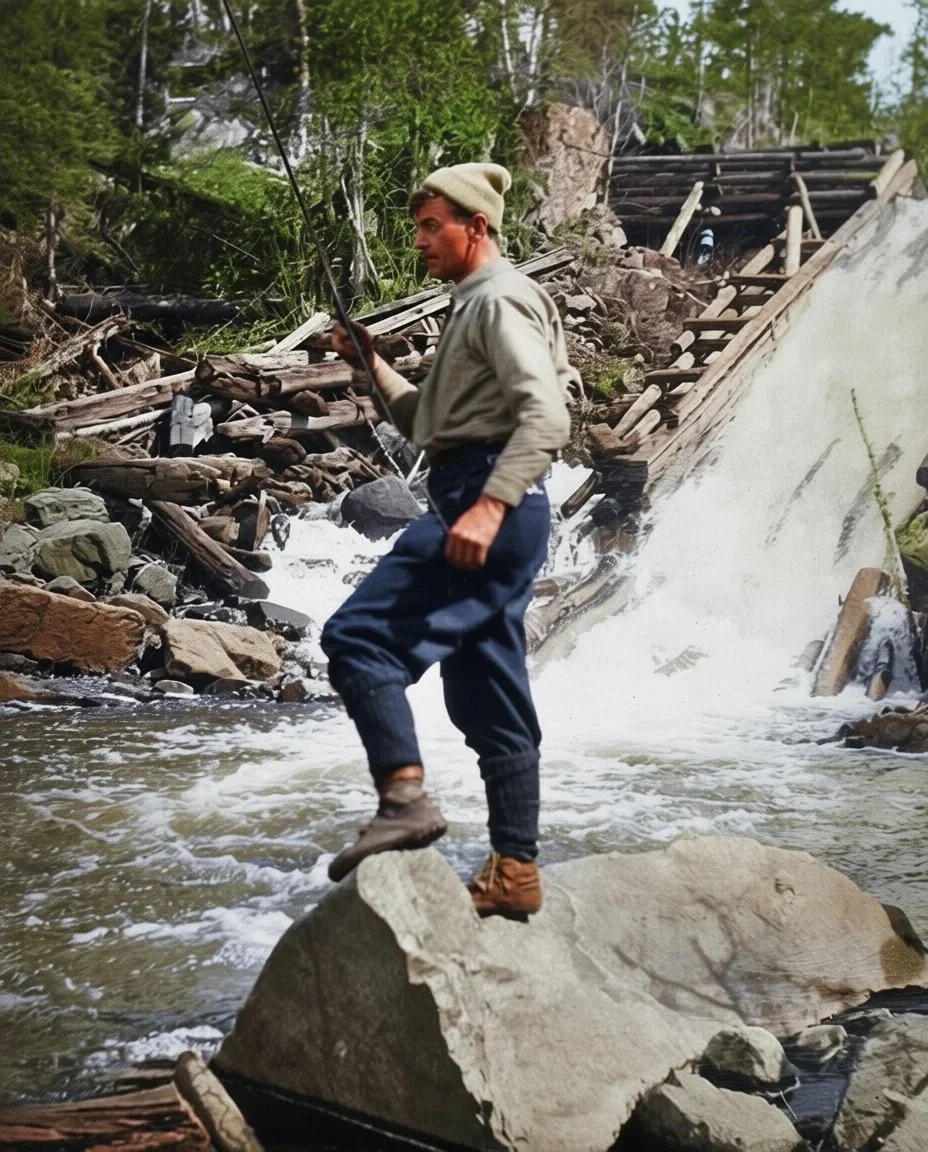
Thomson hooked it, lost it, and joked that he’d go catch a big trout elsewhere and leave it on Robinson’s doorstep so Robinson would think he’d finally landed “the fish.” Robinson waved. Thomson replied. “That’s the last time Tom Thomson spoke to me,” Robinson would say. Later, word came that Thomson’s overturned canoe had been seen on Canoe Lake.
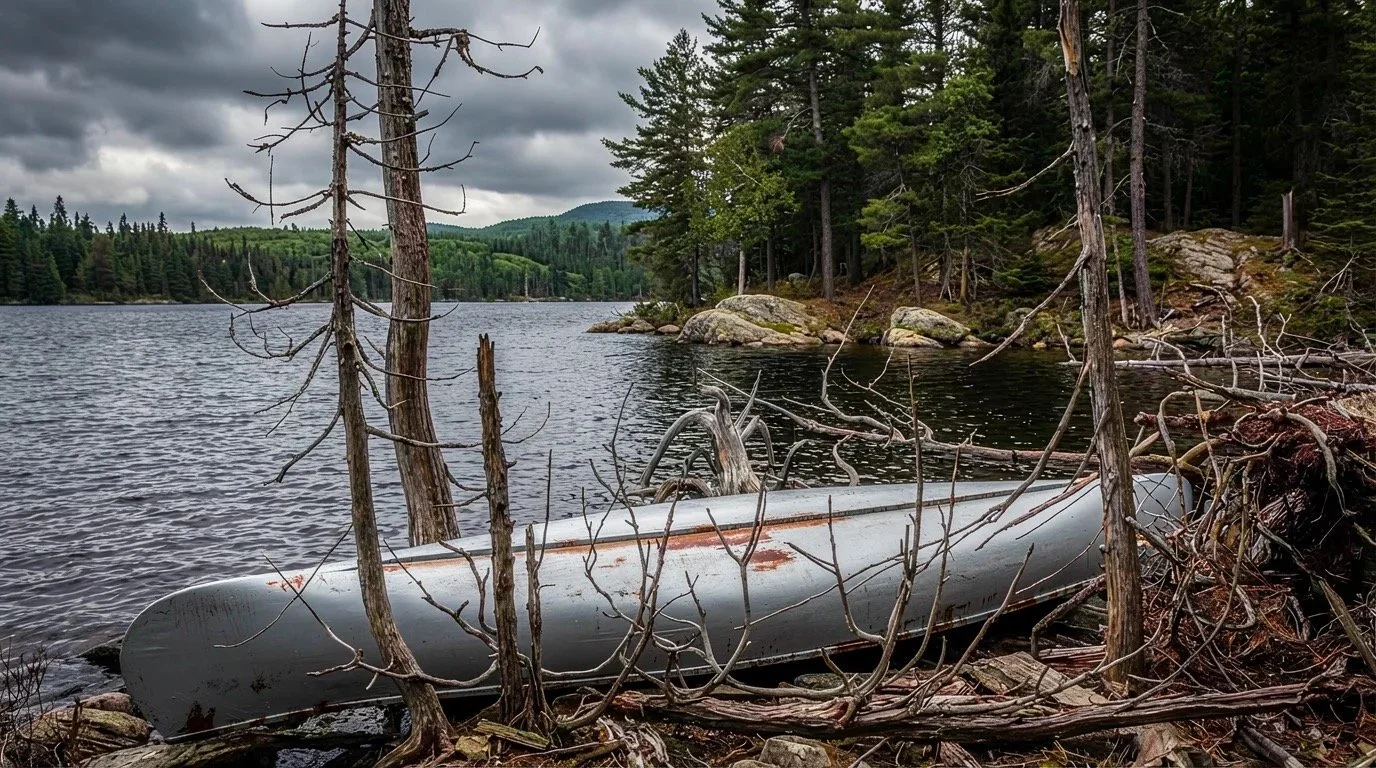
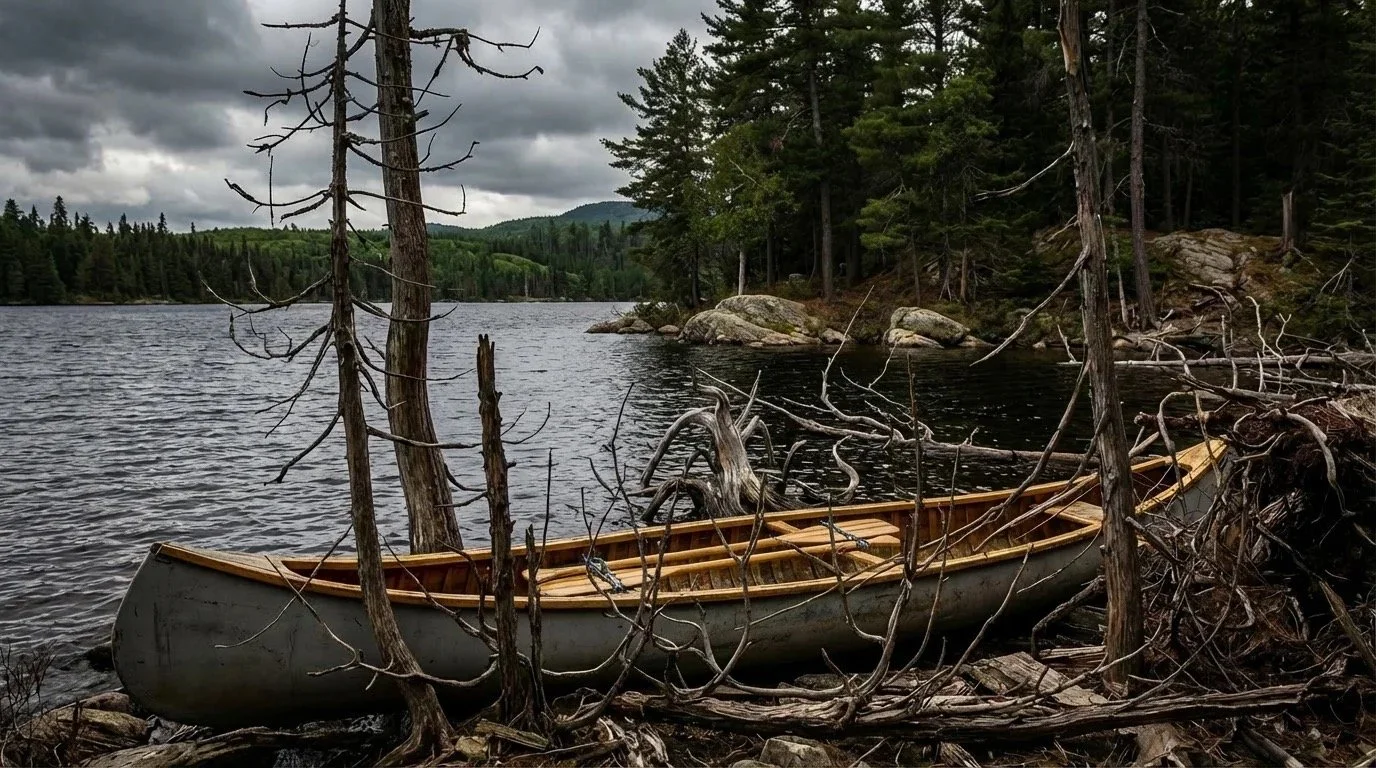
Here Robinson becomes emphatic, because he believed later accounts distorted a critical fact: the canoe was not floating right-side up. Robinson insisted it was upside down, and he described himself as the man who turned it over and examined what was in it. That detail matters because it shapes the entire logic of what could have happened next. Robinson’s inspection left him with immediate concerns:
• The paddles were tied in for carrying/portaging.
• The paddle Thomson used for paddling was missing and never recovered.
• Thomson’s small gear—Robinson mentions even his little axe—was gone.
• Yet food that had been packed for Thomson remained associated with the canoe when it was found later, suggesting the outing had begun normally.
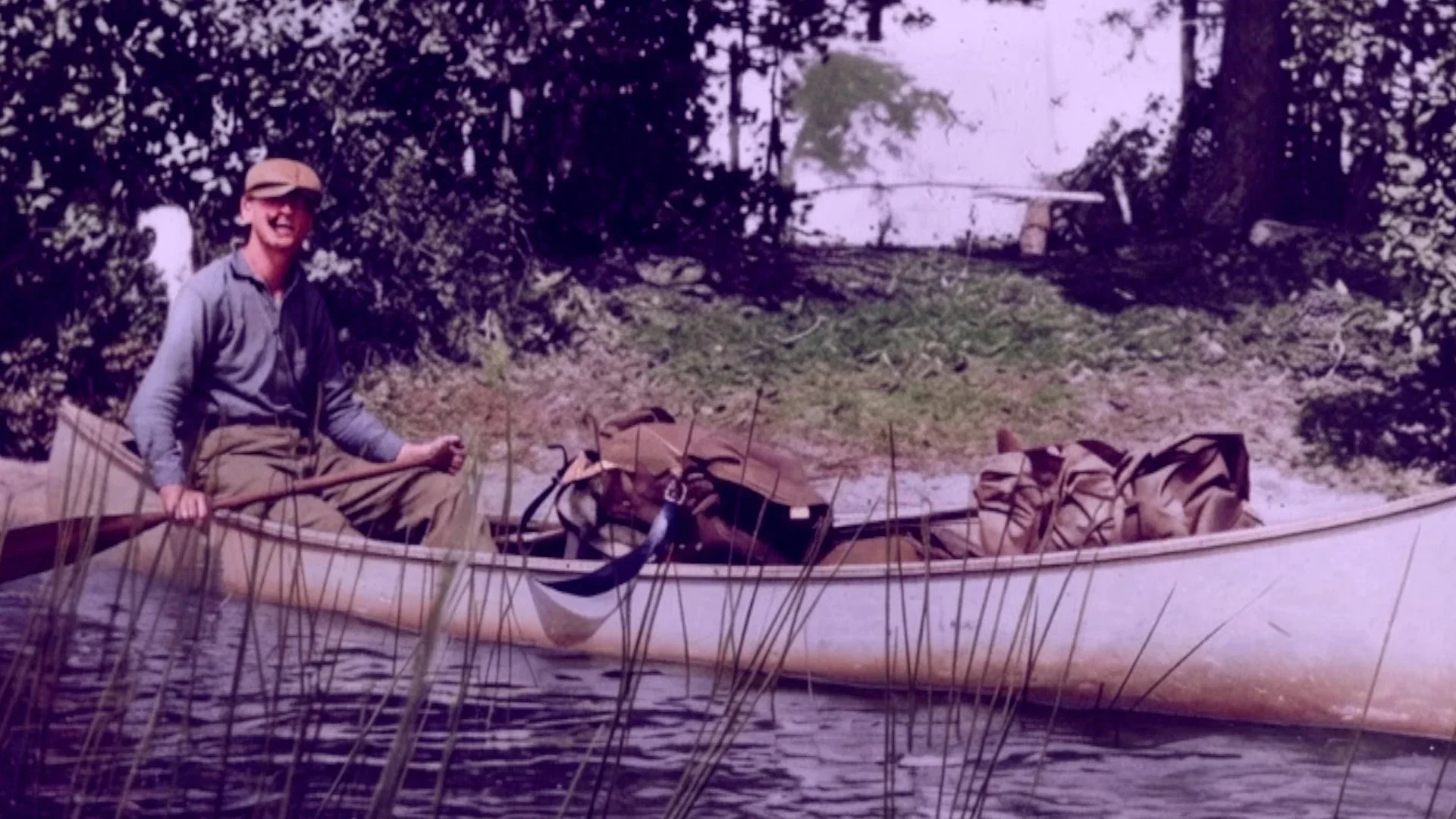
The story offered by the Blecher siblings, Martin and Bessie (as Robinson remembered it), only deepened his suspicion. They claimed they had seen the canoe upside down in the water in the afternoon and did not investigate it. Robinson (like any experienced woodsman) was troubled by that. An upside-down canoe isn’t something you casually ignore. In lake country, it is a danger signal.
To Robinson, the timeline was equally troubling. Thomson leaves about 1:30. The canoe is seen later, a little after 3:00 p.m. Robinson asks the question any competent ranger would ask: what happened in that window? And how did it happen so close to shore on a lake that Thomson had paddled hundreds of times?
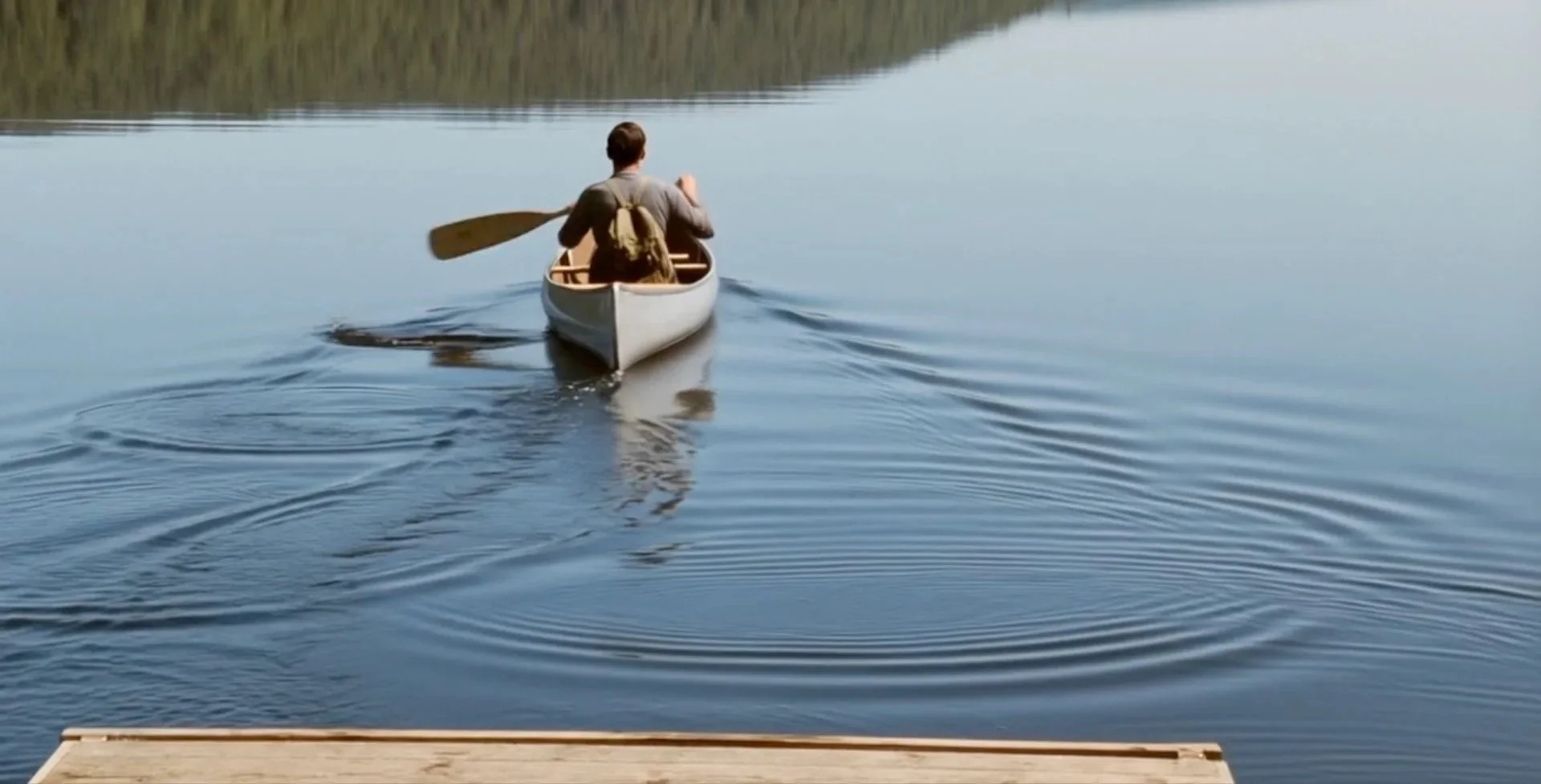
He didn’t claim to know the answer yet. But he knew enough to suspect the official story (when it arrived) would not fit comfortably.
The Search: No Trail, No Signal, No Trace
With no police presence and no formal investigative apparatus, Robinson did what a ranger could do: he searched. He described covering the woods south and west of the lake day after day, firing shots, blowing his whistle, calling signals Thomson would have recognized. Robinson expected that if Thomson had injured himself on land - broken a leg, fallen, or gotten turned around - some sign would emerge: a track, a broken branch, a scrap of equipment, a response to a whistle. But there was nothing. This absence is significant. A routine accident in the bush often leaves a trail. Robinson believed he should have found something if Thomson had gone ashore and become incapacitated. But the woods yielded no trace. The search did not confirm “accidental drowning.” It merely deepened the mystery.
The Body: Fishing Line Wrapped 16 or 17 Times
When the body surfaces several days later, Robinson’s recollections sharpen. He recounts Dr. Howland seeing something rise in the water and calling out to guides on the lake. The guides paddled over and recognized the object as the body of Tom Thomson. Robinson described going to the scene and being instructed to oversee what happened next. This is where his account becomes especially important, because it speaks directly to the physical condition of the corpse and to details that later writers have struggled to explain away.
Robinson stated that Thomson’s body was swollen from days in the water. Then he described a detail that, to him, could not be dismissed: Fishing line wrapped around the left ankle; sixteen or seventeen times. Robinson did not describe this as an accidental tangle. In fact, he specifically rejected the popular re-telling that Thomson’s legs were “tangled” in fishing line. He described something else entirely: line wrapped carefully, around and around. He said he removed it himself, counted the wraps. This detail stayed with him because it struck him as odd - if not deliberate.
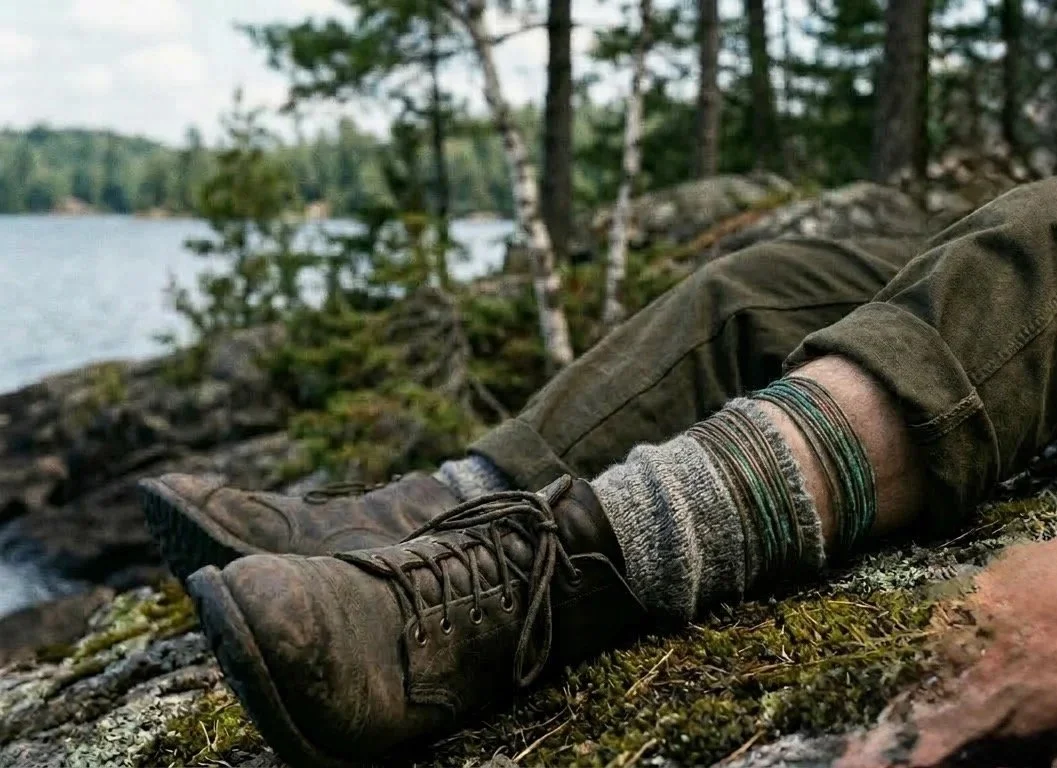
Robinson also recalled the makeshift examination that followed. He described Dr. Howland and the undertakers probing to see if there was water in the lungs and he stated plainly that no water was found.
Modern readers will rightly note that such examinations were rudimentary and complicated by decomposition. But the value of Robinson’s testimony is not in whether it meets modern forensic standards. The value lies in what was observed and believed by those present at the time, and how those observations shaped their conclusions. To Robinson, the lack of water in the lungs weakened the foundation of “drowning” as a clean explanation.
Robinson then describes the mark on Thomson’s head. Across the left temple, he recalled seeing a wound that looked to him as though Thomson had been struck, as if by the edge of a paddle.
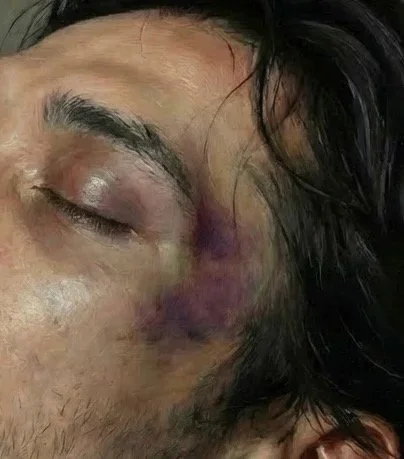
Robinson’s phrasing is important: he was not describing a vague bruise that might come from bumping into a rock. He was describing a long, thin mark consistent, in his mind, with a specific kind of blow. This is one of the reasons Robinson could not accept accidental drowning. A skilled canoeist, found with line wrapped repeatedly around an ankle, showing a head injury that resembled a strike did not look like a straightforward mishap to him.
The Inquest: “Accidental Drowning. The Case is Closed.”
If Robinson’s account of the body made him skeptical, his account of the inquest made him furious. He described the coroner, Dr. Ranney, arriving after Thomson had already been buried; meaning the coroner did not see the body. The inquest proceeded on testimony alone, hosted at the Blecher property, and Robinson recalled that almost as soon as proceedings began, Ranney delivered the conclusion:
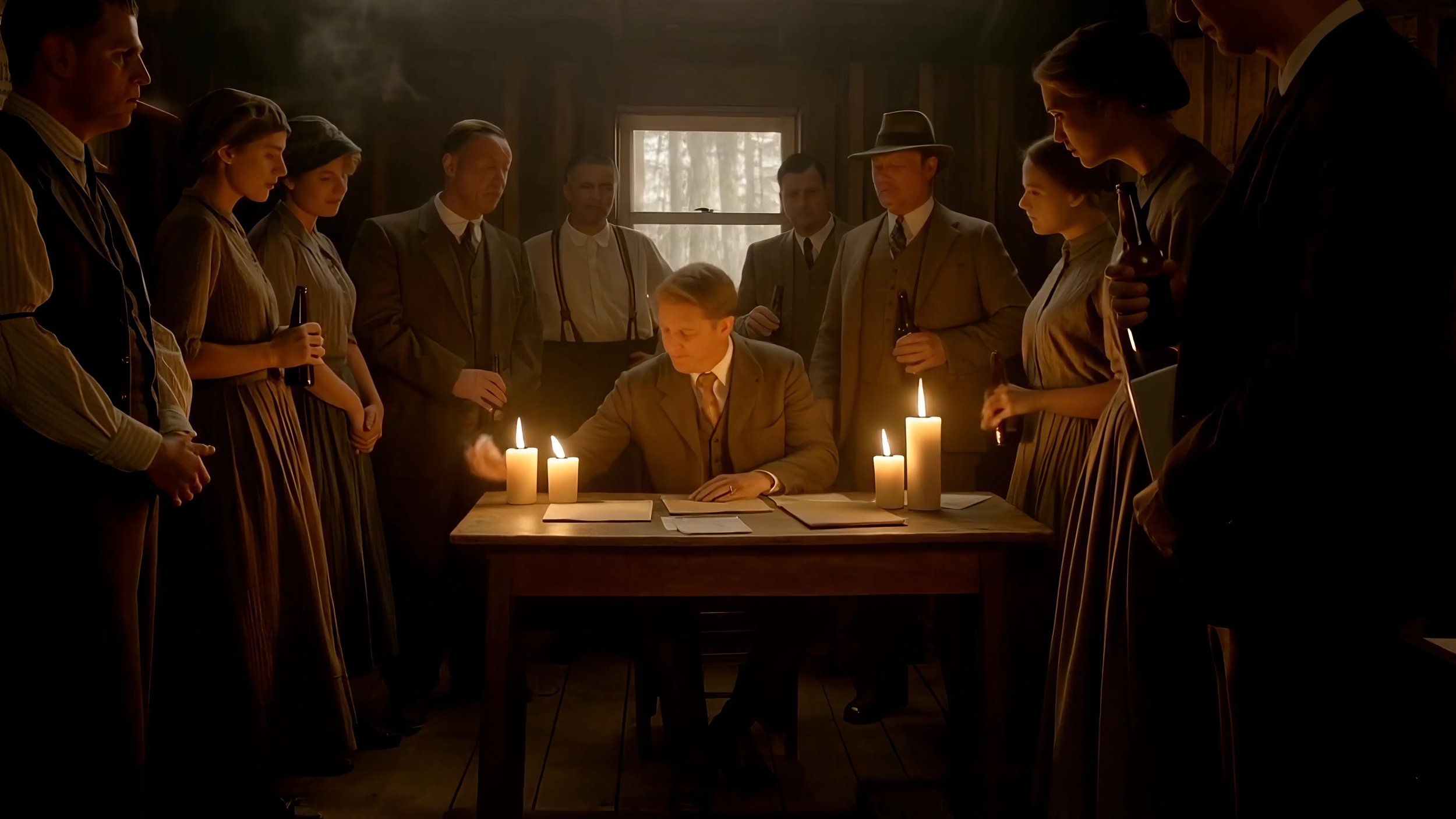
“Clearly a case of accidental drowning; accidental drowning is the verdict.” Robinson recalled that one of the guides tried to protest but was shut down with a finality that still rings in Robinson’s telling: “The case is closed.”
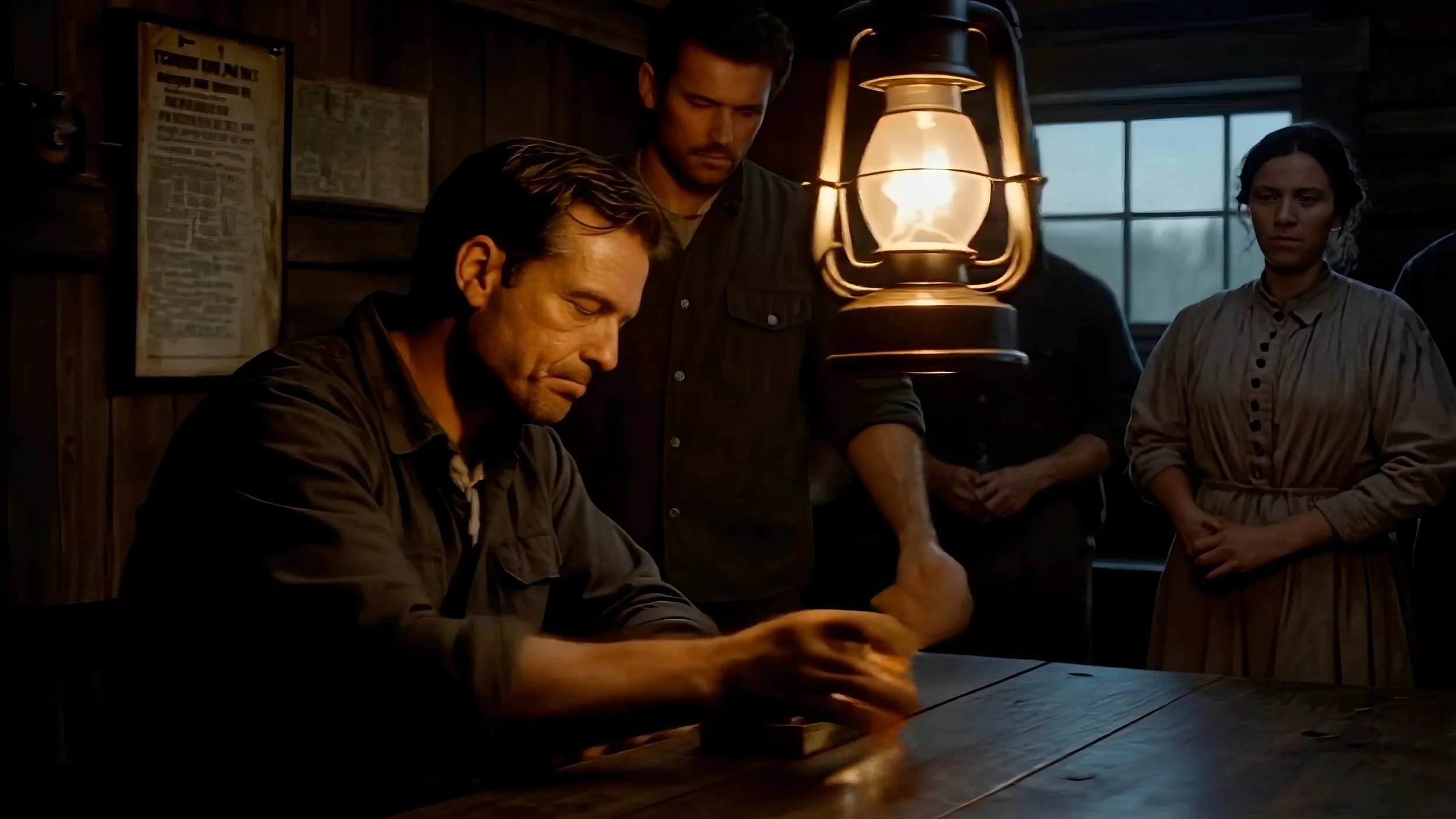
Clearly, in the absence of police investigation, the one formal mechanism that could have applied pressure - an inquest - was conducted quickly, without seeing the body, and without appetite for sustained questioning. Robinson believed the verdict came first, and the uncertainties were simply pushed aside.
Not an Accident
By the end of his account, Robinson states his belief plainly: he did not think Thomson died a natural death from drowning. He believed Thomson had been struck on the head, most likely with a paddle, and that foul play was involved.
Some writers who prefer the comfort of “accident,” or who prefer the mystery to remain safely unresolved, have tried to paint Robinson as an embellisher. But the striking thing about Robinson is not that his story grew more dramatic over time - it’s that it didn’t. The authors have found no evidence of embellishment between Robinson’s written statements given to Blodwen Davies in 1930 (thirteen years after Thomson’s death) and his recorded recollections in 1955 (one year before his own death). The same core elements recur: the timeline, the canoe anomalies, the fishing line wrapped around Thomson’s ankle, the head wound, the rushed verdict, and his rejection of accidental drowning.