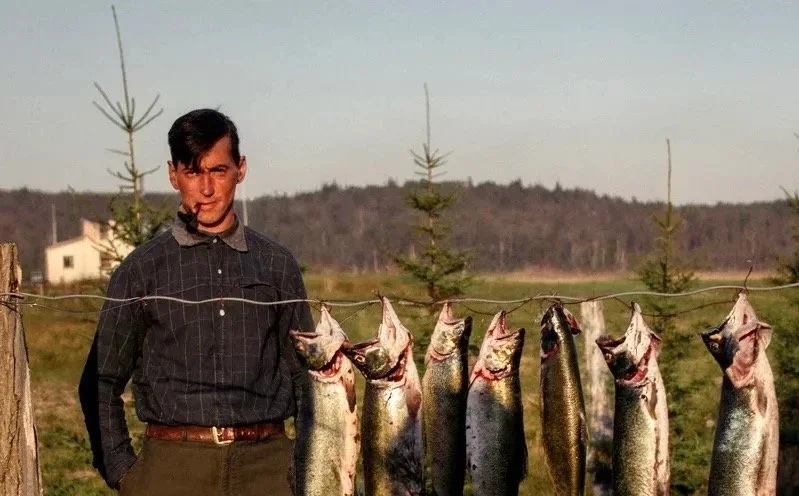
More than a century after his body surfaced in Canoe Lake, the death of iconic Canadian painter Tom Thomson remains one of the country’s most enduring historical mysteries. Officially ruled an accidental drowning in 1917, the case was closed quickly—without a full police investigation, without a preserved coroner’s report, and amid widespread unease from those who knew Thomson and the circumstances surrounding his death. Our new video retraces these overlooked details, from unexplained injuries and missing equipment to the unusual setting of the inquest itself, revealing why the original verdict failed to convince witnesses, colleagues, and local residents almost from the very beginning.
JANUARY 31, 2026
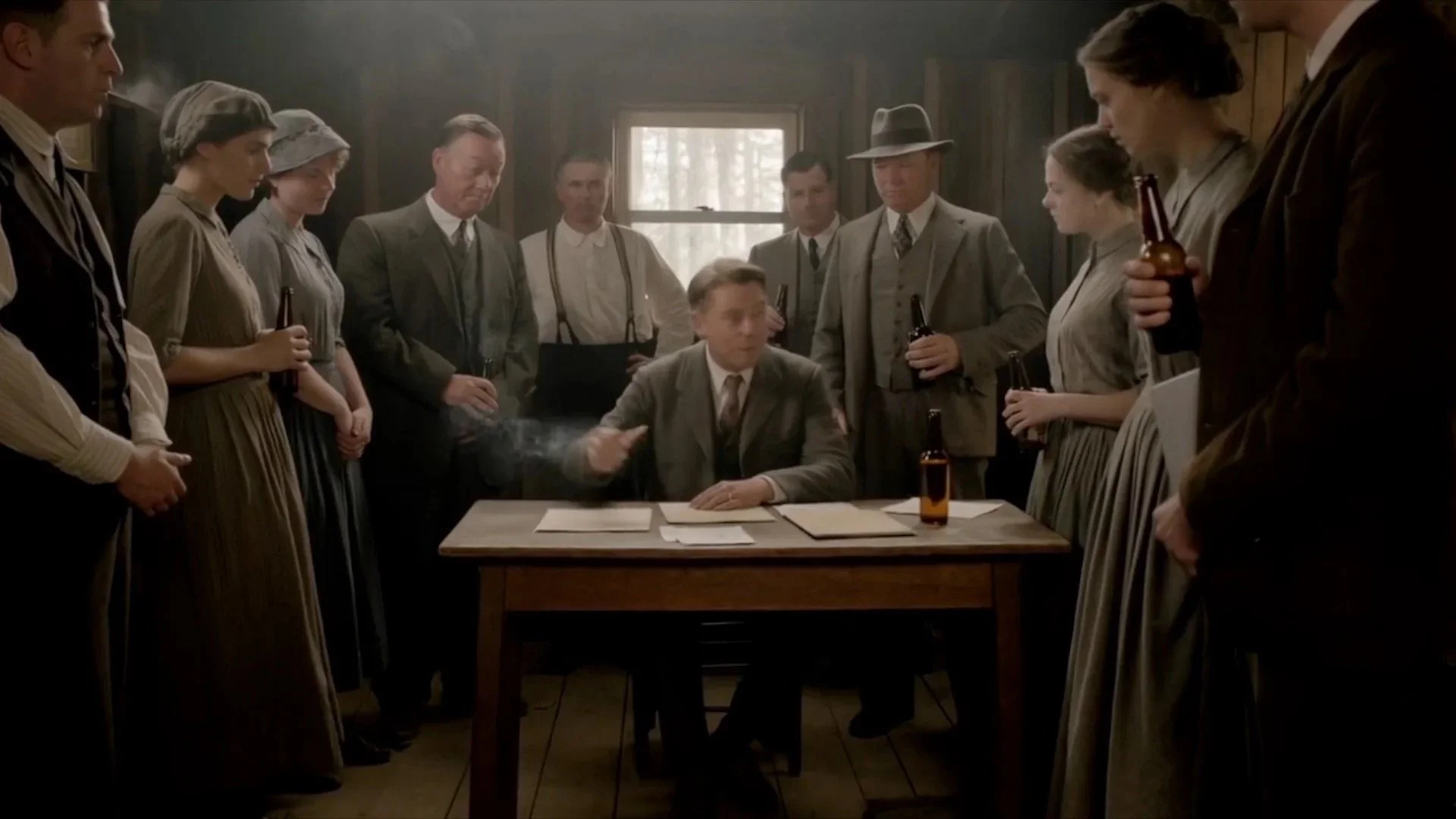
What makes this story especially compelling is not only what happened on Canoe Lake, but what did not happen afterward. The investigation was brief. Critical questions were never fully asked. Contradictions were set aside rather than examined. Yet those contradictions endured—quietly shaping Thomson’s legacy and fueling decades of speculation. The video explores how Thomson’s extraordinary skill as a canoeist and swimmer, combined with calm weather conditions and familiar terrain, made the explanation of accidental drowning difficult to accept for many who knew him well. These unresolved tensions form the foundation of a mystery that continues to captivate historians, artists, and true-crime readers alike.
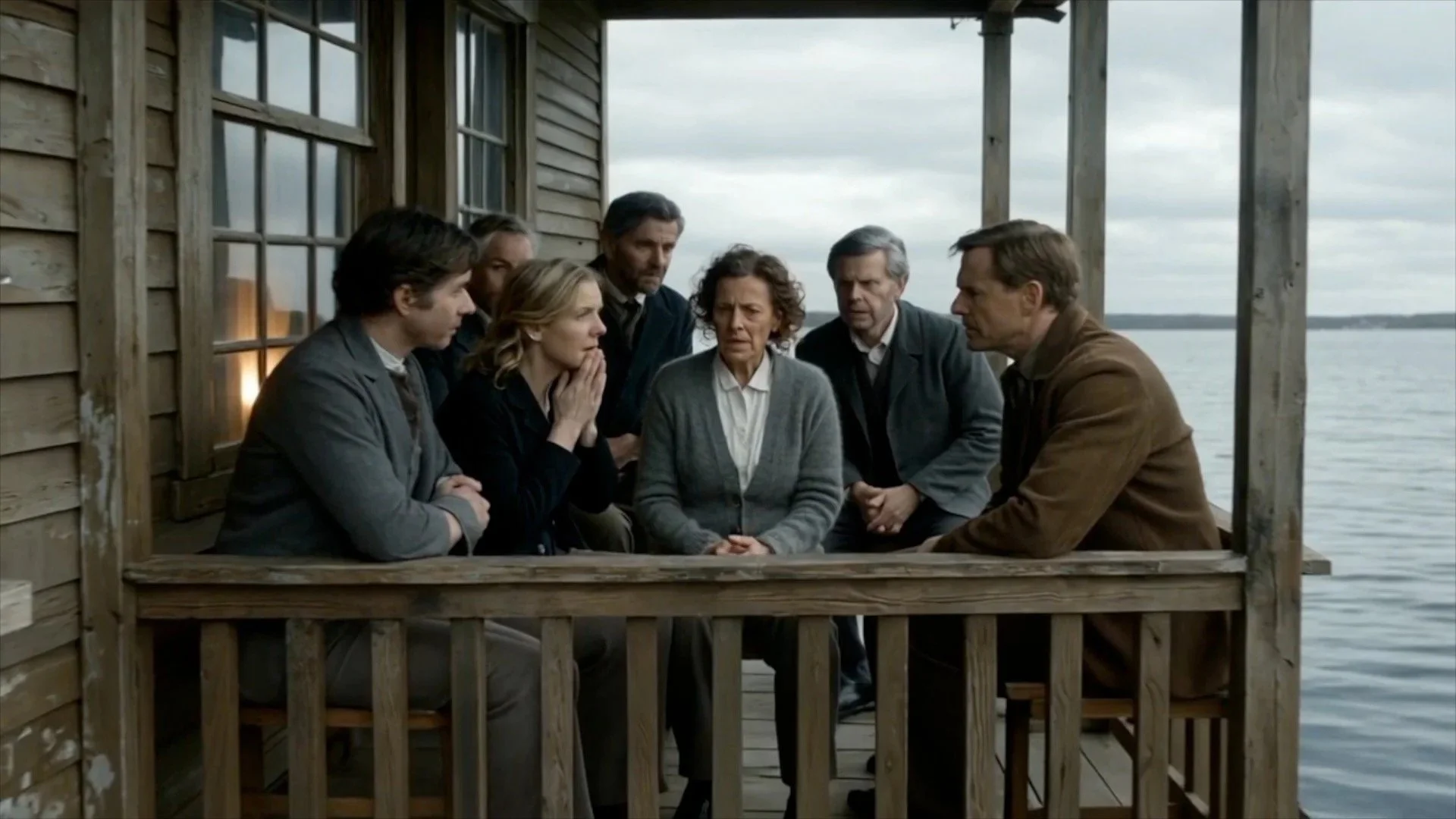
This is where Larry Dixon’s Cabin enters the story. After more than thirty years of research, site visits, document reviews, and careful analysis of historical testimony, the novel takes direct aim at the central question that has lingered for generations: who was responsible for Tom Thomson’s death—and why. While the book is a work of fiction, its conclusions are grounded firmly in the historical record, following the evidence where earlier accounts hesitated to go. The result is a bold narrative interpretation that confronts the mystery head-on, offering readers a cohesive explanation rooted in decades of investigation.