
Blanche Linton Remembers Tom Thomson: What Was Said When the Body Was Found
FEBRUARY 5, 2026
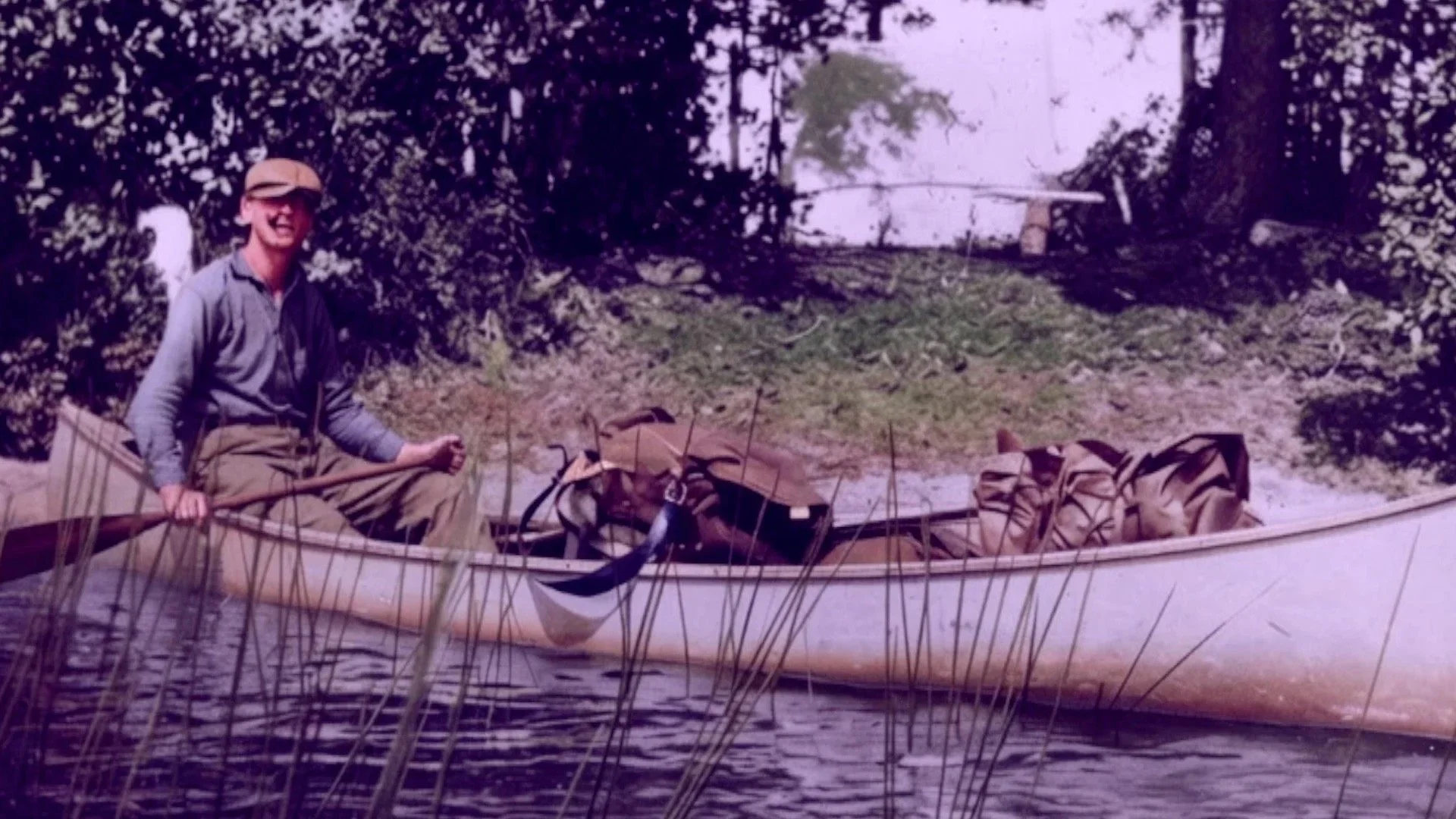
When Tom Thomson’s body surfaced in Canoe Lake in July 1917, official conclusions came quickly. But among those who lived and worked at Canoe Lake, the reaction was very different. Few people were closer to the unfolding events than Blanche Packard — later Blanche Linton — who was working at the Algonquin Hotel at the time. Her recollections, recorded years later (and published in Early Canadian Life magazine, in its February 1979 edition), provide rare insight into what guides, hotel staff, and locals were saying in the immediate aftermath of Thomson’s death.
What Blanche remembered was not acceptance. It was doubt.
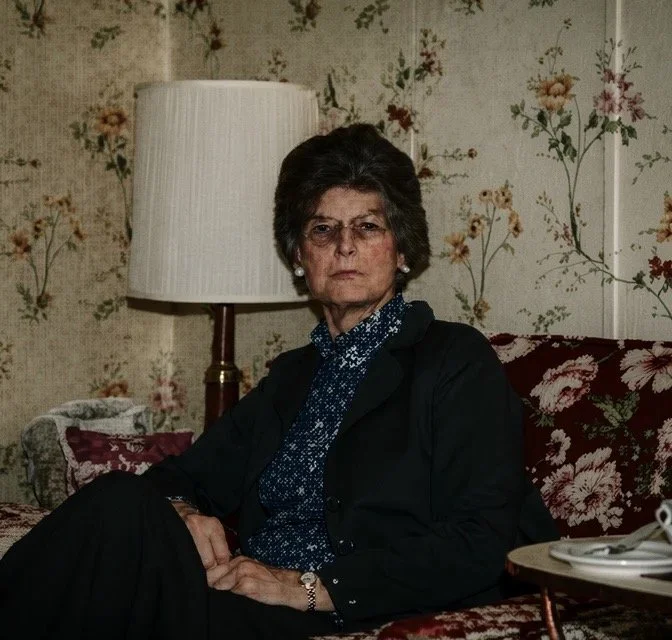
Photo of Blanche Linton (circa 1970's)
The Last Morning: Nothing About It Suggested Tragedy
On the morning Tom Thomson left Canoe Lake for the final time, Blanche saw him personally. He was calm, organized, and purposeful. There was no sign of intoxication or emotional distress. He behaved as he always did — preparing his equipment, planning his outing, and going about his work.
One detail stayed with her for decades. She distinctly remembered watching Thomson buckle on his pack before leaving. This pack contained food, supplies, and painting materials. Yet when Thomson’s body was later recovered, the pack was gone — never found.
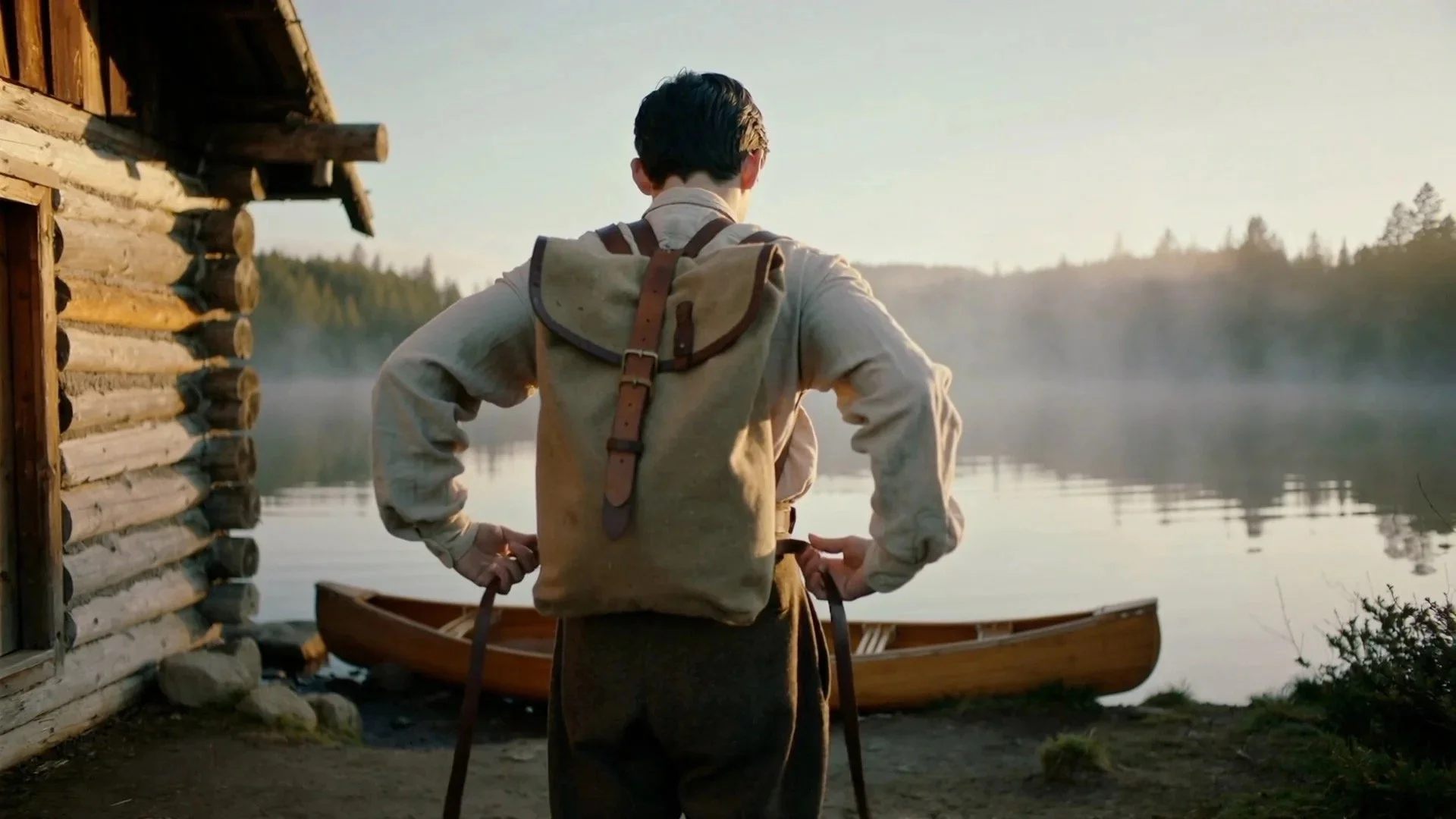
To Blanche, this absence never made sense. If Thomson had slipped accidentally while portaging or fallen unexpectedly into the water, his pack should have been nearby. Its disappearance added another unanswered question to an already troubling situation.
Norm Linton and the Paddle Lashing
One of the most important technical observations did not come from anonymous “guides,” but from Blanche’s future husband — Norm Linton.
Norm was not a casual observer. He was an experienced guide who had worked with Tom Thomson personally and knew his habits on the water. When Thomson’s overturned canoe was recovered, Norm saw how the paddles were tied into the thwarts.
His reaction was immediate and emphatic: “Tom wouldn’t be carrying a canoe with his paddles roped like that.”
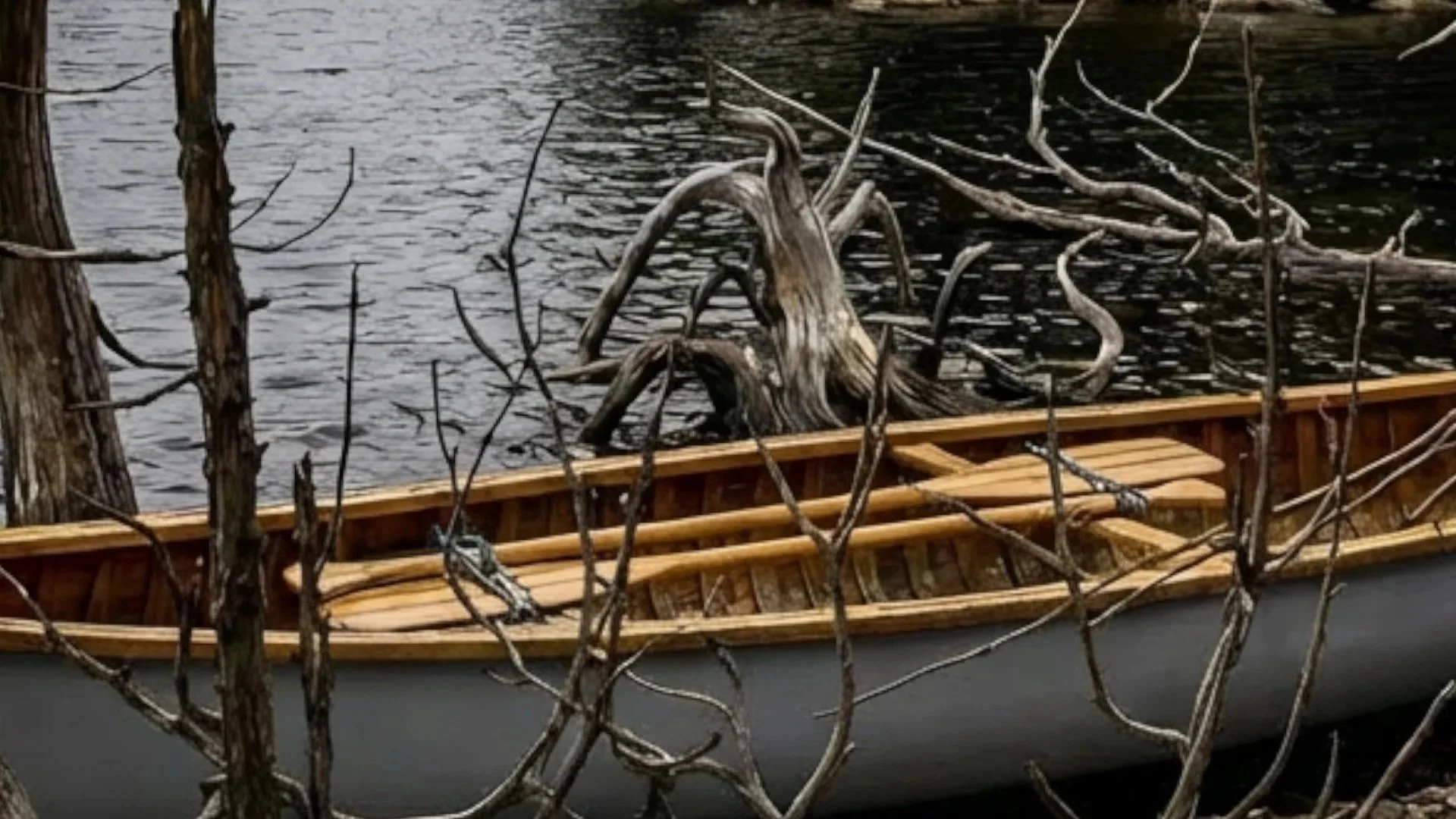
Norm knew how Thomson secured his gear. He knew Thomson was meticulous. To him, the lashing looked careless — inconsistent with the way Thomson prepared for portages.
For Blanche, this detail carried enormous weight. It suggested that someone else may have handled Thomson’s canoe after he left the lodge.
Edwin Colson’s Reaction:
“Too Sure-Footed”
Blanche also recalled the reaction of her employer, Edwin Colson, proprietor of the Algonquin Hotel.
When news arrived that Thomson’s body had been found, Colson was helping dry dishes in the hotel kitchen. He stopped what he was doing and made a remark that Blanche never forgot:
“Some of them think there’s been foul play with Tom — he was too sure footed, too good a woodsman.”
This was not idle gossip. Colson employed guides. He lived among the men who knew the terrain, the portages, and Thomson himself. His comment reflected what Blanche was already hearing from others: that Thomson’s skill and experience made the official explanation difficult to accept.
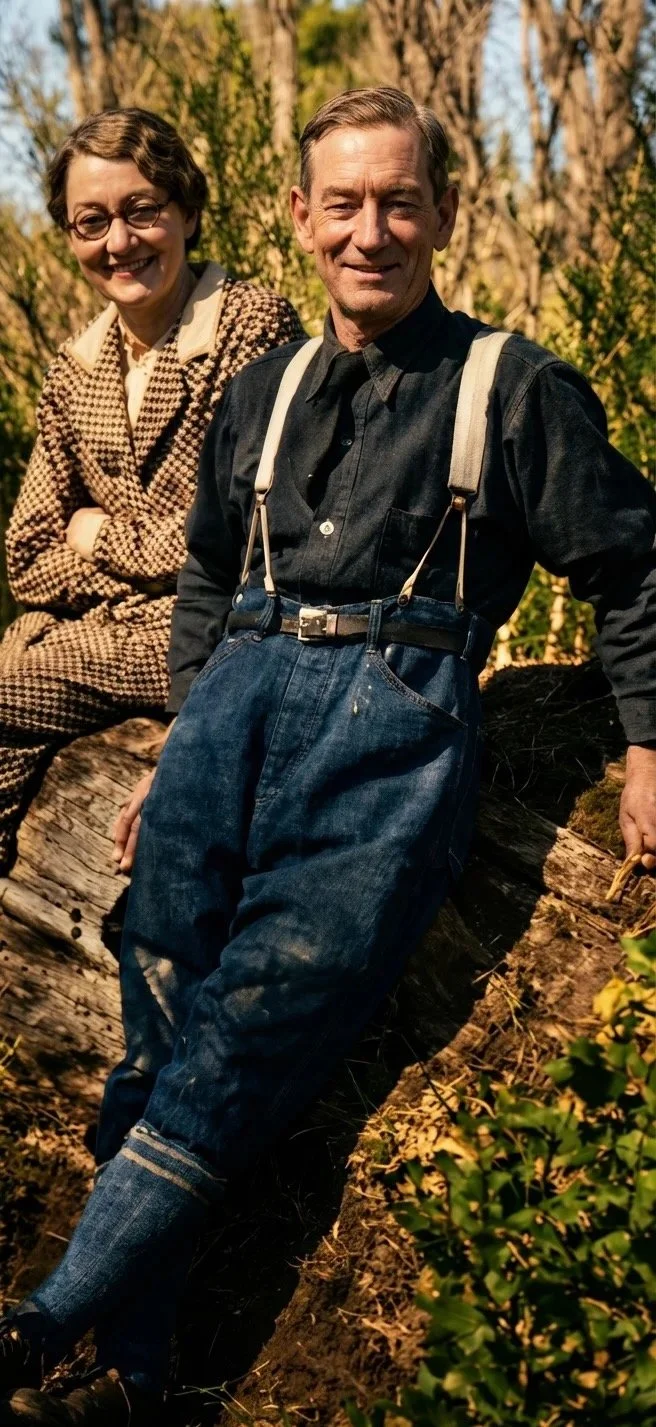
Photo of Molly and Edwin Colson. Algonquin Hotel Owners
What the Guides Were Saying
Perhaps the most revealing part of Blanche Linton’s testimony concerns what she overheard shortly after Thomson’s death. She recalled a conversation among guides sitting on the back porch of the Algonquin Hotel. These were not distant commentators — they were men who worked on Canoe Lake, who knew Thomson, and who understood the environment intimately.
According to Blanche, the guides spoke about:
An argument between Thomson and another man in a ranger’s cabin shortly before Thomson disappeared
Rumors of a relationship between Thomson and a ranger’s wife who was summering in the park
Speculation that Thomson’s disappearance may have been a relief to a jealous husband
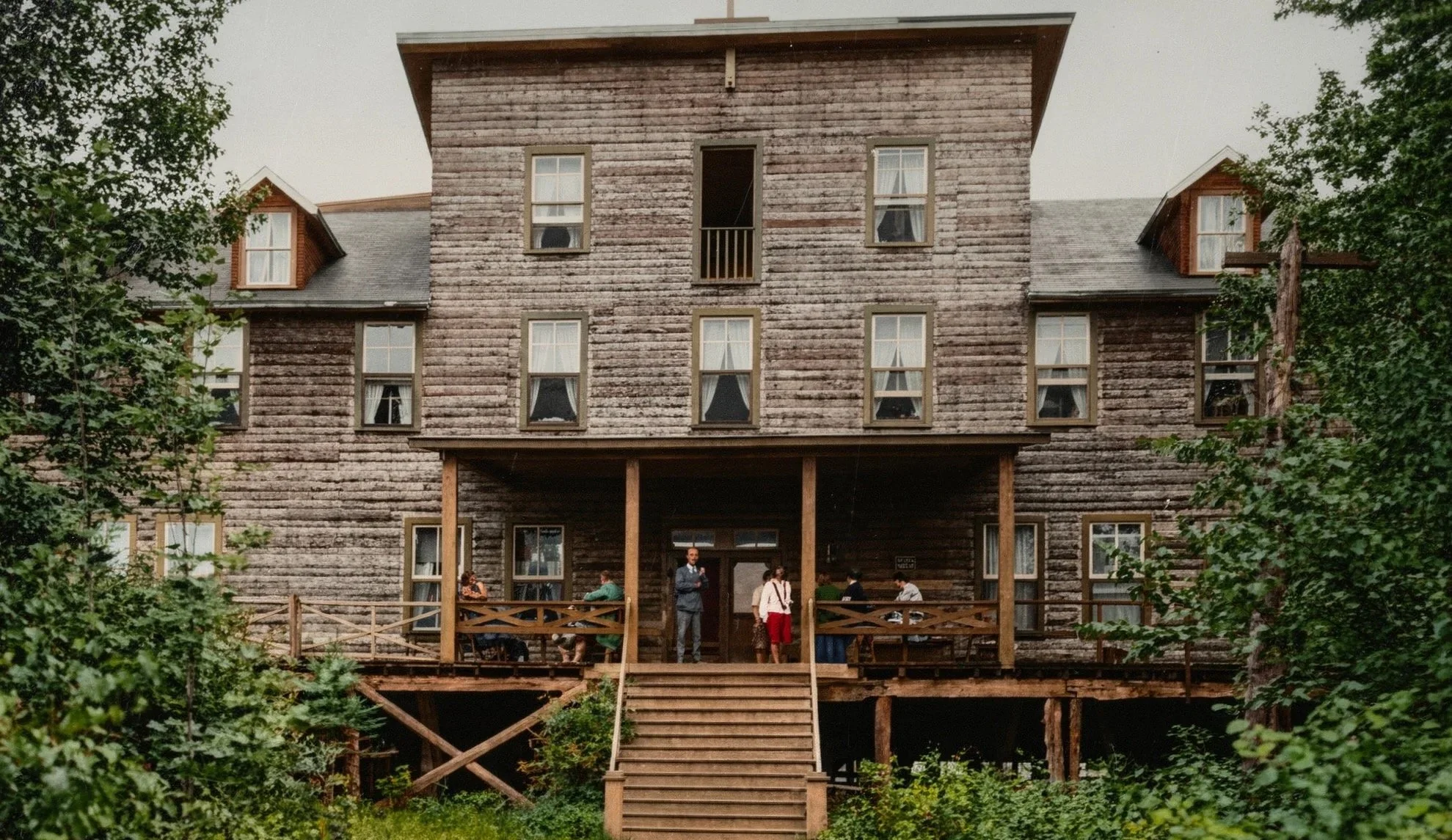
Back Porch of The Algonquin Hotel in 1917
These were not official statements. They were not sworn testimony. But they reveal something critically important: within days of Thomson’s death, people closest to the scene were already questioning the accidental drowning narrative and discussing possible motives for violence. Blanche did not claim these rumors were proven fact. What mattered was that they existed — immediately, organically, and persistently among those who knew the environment best.
The Mood at Canoe Lake: Unease, Not Closure
Blanche’s recollections paint a consistent picture. There was no sense of closure at Canoe Lake. Instead, there was:
Confusion about the missing pack
Concern about the paddle lashing
Disbelief about the drowning explanation
Open discussion of quarrels and personal tensions
Quiet acknowledgment that Thomson’s death did not feel accidental